 Call us :-
+91-8004301267
Call us :-
+91-8004301267 Email: info@drsaurabhjain.co.in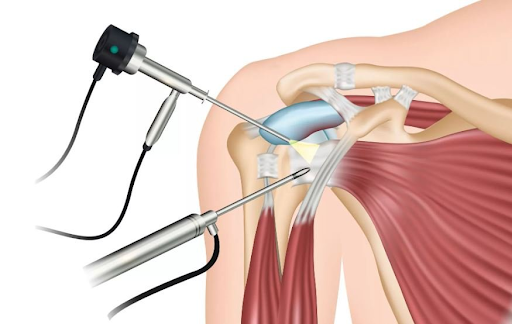
Your shoulder is like the MVP of your body. It helps you do so many things, like throwing a basketball, carrying a heavy backpack, or even giving your friend a high-five. But sometimes, your shoulder can get hurt or stop working right. Maybe you fell during a soccer game, or your shoulder feels super stiff for no reason. Years ago, fixing a shoulder meant a big surgery with a long scar and a slow recovery. But now, there’s a way cooler option called arthroscopic shoulder surgery.
This surgery is like a high-tech fix for your shoulder. Doctors use tiny tools and a small camera to repair problems without making big cuts. It’s perfect for things like rotator cuff tears (when the muscles in your shoulder rip), frozen shoulder (when your shoulder feels stuck), labral tears (when the tissue around your shoulder joint tears), and more. Arthroscopic surgery is less scary than old-school surgery, and it helps you get back to your life faster.
Shoulder problems can happen to anyone—kids, teens, athletes, or even grown-ups who just lift something too heavy. Maybe you’ve noticed your shoulder hurts when you swing a bat, or it feels stiff when you try to reach up. Arthroscopy is a game-changer because it’s less invasive, meaning it doesn’t mess up your body as much as older surgeries. We’ll cover what it is, how it works, what it fixes, and how you can get better afterward. Whether you’re a teen who loves sports or just curious, this guide will make it all clear.
What is Arthroscopic Shoulder Surgery?
It is a super smart way to fix shoulder problems without cutting your skin wide open. Instead of a big surgery (called open surgery), doctors make tiny holes and use a special camera called an arthroscope. Think of the arthroscope like a pencil with a tiny camera and light on the end. It goes into your shoulder and shows the doctor what’s wrong on a TV screen.
Here’s why it’s awesome:
- Tiny cuts: The holes are only about the size of a pencil eraser, so they don’t hurt as much.
- Less damage: It doesn’t mess up your muscles as much as a big cut would.
- Faster healing: You can get back to playing or doing normal stuff sooner.
In the surgery, the doctor makes 2–4 small cuts around your shoulder. They slide the arthroscope into one hole to see inside, and then use mini tools in the other holes to fix things. It’s like a mechanic fixing a car engine without taking the whole car apart! This method works for lots of shoulder problems, and it’s way easier on your body than older surgeries.
The arthroscope is the star of the show. It’s got a tiny light and camera that let the surgeon see everything clearly, like watching a live video of your shoulder. The tools they use are small too, so they can sew up tears or remove extra stuff without causing a lot of damage. This makes the surgery less painful and helps you heal quicker.
Conditions Treated with Shoulder Arthroscopy
Arthroscopic surgery can fix a bunch of different shoulder problems. Let’s go through the main ones so you know what it can do.
Arthroscopic Rotator Cuff Repair Surgery
Your rotator cuff is a group of muscles and tendons in your shoulder. They hold your arm in place and let you lift it up, like the straps on a backpack keeping it snug. But these muscles can tear if you hurt your shoulder or use it too much.
What causes rotator cuff tears?
- Falling on your arm, like if you trip while running.
- Lifting something super heavy, like a big box.
- Doing the same motion over and over, like throwing a baseball or swimming.
- Getting older (muscles wear out like old sneakers).
How it’s fixed: The surgeon uses the arthroscope to look at the torn muscle or tendon. They sew it back together using tiny stitches or special anchors that stick into the bone. It’s like patching up a rip in your favorite jacket. After surgery, most people (about 80–90%) feel way less pain and can lift their arm better. It takes a few months of rest and exercises, but you’ll feel stronger.
Arthroscopic Shoulder Surgery for Frozen Shoulder
Frozen shoulder , or adhesive capsulitis, is when your shoulder gets so stiff it feels like it’s frozen in place. It’s like trying to move a door that’s stuck shut. This can happen if you don’t use your shoulder for a while (like after an injury) or sometimes for no clear reason. It’s super annoying because it hurts to move your arm, and you can’t reach up or behind you.
How arthroscopy helps: The surgeon uses the arthroscope to look inside your shoulder and find the tight scar tissue that’s making it stuck. They cut away that tissue to free up your shoulder. It’s like cutting the strings off a tangled puppet. After surgery, you’ll do exercises to keep your shoulder loose. This surgery is great for people who’ve tried things like medicine or therapy but still can’t move their shoulder well.
Most people who get this surgery start moving better within a few weeks, especially if they do their therapy exercises. It’s perfect for someone like a teen who wants to get back to playing volleyball or doing art without pain.
Shoulder Arthroscopy for Labral Tear
The labrum is a ring of soft tissue around your shoulder socket. It’s like a rubber gasket that keeps your arm bone snug in the joint, so it doesn’t pop out. When the labrum tears, it’s called a labral tear . There are two main types:
- Bankart tear: A tear at the bottom of the labrum, often from a shoulder dislocation.
- SLAP tear: Stands for “Superior Labrum Anterior and Posterior.” It’s a tear at the top, usually from sports or falls.
What causes labral tears?
- Falling on an outstretched arm, like diving for a ball.
- Sports like tennis or football where you use your arm a lot.
- Accidents, like crashing your bike.
How it’s fixed: The surgeon uses the arthroscope to see the tear. They sew the labrum back to the bone with tiny anchors, kind of like stapling a poster back onto a wall. This surgery, called SLAP tear arthroscopy or labrum tear shoulder surgery, makes your shoulder stable again. Most people feel better and can play sports again after a few months of recovery.
Shoulder Impingement Arthroscopic Treatment
Shoulder impingement happens when something in your shoulder, like a bone or swollen tissue, rubs against your rotator cuff. It’s like when your backpack strap gets caught and rubs your skin raw. You might feel pain when you lift your arm or reach up, especially during sports like swimming or basketball.
How arthroscopy helps: The surgeon uses the arthroscope to find what’s rubbing. They might shave down extra bone or remove swollen tissue to make more space. It’s like clearing out clutter to make room for your arm to move. After surgery, about 90% of people feel less pain and can move their shoulder better.
This is great for teens who love sports but keep feeling shoulder pain when they swing or lift.
Biceps Tendon Arthroscopic Surgery
The biceps tendon connects your biceps muscle (the one you flex to show off your muscles!) to your shoulder. It can get torn or irritated from things like lifting heavy weights or playing sports. Sometimes, this surgery is done along with labrum repairs because they’re close together.
What happens: The surgeon uses the arthroscope to check the tendon. They might reattach it to the bone or trim damaged parts. It’s like fixing a frayed rope so it’s strong again. After surgery, your arm feels stronger, and the pain goes away when you move.
This surgery is common for athletes, like a teen wrestler who needs a strong arm to compete.
Arthroscopic Shoulder Surgery Procedure: Step-by-Step
.jpg)
So, what happens when you get arthroscopic shoulder surgery? It’s not as scary as it sounds. Here’s how it goes:
Before Surgery
- You’ll meet your surgeon to talk about what’s wrong with your shoulder. They’ll ask about your pain and how you hurt it.
- You might get an X-ray or MRI to take pictures of your shoulder’s insides. It’s like a snapshot of your bones and muscles.
- You’ll be told not to eat or drink for about 8 hours before surgery. This keeps you safe while you’re asleep.
Anesthesia
- You’ll get anesthesia so you don’t feel pain during surgery. There are two types:
- General anesthesia: You’re fully asleep, like taking a nap.
- Regional anesthesia: Your shoulder is numbed, but you might be awake. You won’t feel anything either way!
- Most people get general anesthesia for this surgery.
During Surgery
- Tiny cuts: The surgeon makes 2–4 small holes around your shoulder, each about the size of a pencil eraser.
- Inserting the arthroscope: The camera goes into one hole. It shows a live video of your shoulder on a screen, so the surgeon can see everything.
- Fixing the problem: Mini tools go into the other holes. The surgeon might sew up tears, shave down bone, or cut away scar tissue. It’s like fixing a toy with tiny screwdrivers.
- Closing up: The tiny cuts are closed with stitches or small bandages called Steri-Strips. No big scars!
How Long It Takes
- The surgery usually takes 1–2 hours, depending on what’s being fixed. For example, a simple impingement fix might be quicker than a rotator cuff repair.
You’ll wake up in a recovery room, and your shoulder might feel a little weird, but you’ll be okay!
What to Expect After Shoulder Arthroscopy
When you wake up from surgery, your shoulder might feel sore or strange. Here’s what’s normal:
- Pain and swelling: Your shoulder will probably hurt a bit, and it might swell up like a balloon. Ice packs and pain medicine help with this.
- Limited movement: You won’t be able to move your arm much at first. That’s okay—it needs time to heal.
- Wearing a sling: You’ll get a sling to keep your shoulder still. It’s like a cozy hammock for your arm. You might wear it for 1–6 weeks, depending on what was fixed.
- Feeling tired: The anesthesia might make you sleepy for a day or two.
You’ll start physical therapy a few days or weeks after surgery. This is like gym class for your shoulder—it helps it get strong and move again. At first, you’ll do super gentle moves, like letting your arm swing softly. Later, you’ll do harder exercises to build strength.
Most people start feeling better in a few weeks, but it takes a few months to be back to normal. For example, a teen who loves basketball might need 3–6 months before shooting hoops again.
Post-Op Care After Arthroscopic Shoulder Surgery
Taking care of your shoulder after surgery is super important. Think of it like taking care of a new phone—you want to keep it safe so it works great. Here’s what to do:
- Manage pain: Take the pain medicines your doctor gives you. Use ice packs for 15–20 minutes every few hours to make swelling go down. It’s like putting a cold drink on a bruise.
- Prevent infection: Keep the tiny cuts clean and dry. Don’t get them wet in the shower until your doctor says it’s okay. Watch for redness, swelling, or oozing—if you see that, call your doctor right away.
- Avoid stiffness: Start gentle exercises when your doctor or therapist says it’s safe. If you skip them, your shoulder might get stiff again, like a rusty hinge.
- Follow the plan: Your surgeon will give you a recovery plan with rules, like when to start therapy or stop wearing your sling. Stick to it! Don’t try to lift heavy stuff or play sports too soon, or you could hurt your shoulder again.
Your doctor might also tell you to sleep in a certain position, like propped up on pillows, so your shoulder doesn’t hurt at night. Following these steps helps you heal faster and get back to doing what you love.
Exercises After Arthroscopic Shoulder Surgery
Exercises are a big part of getting your shoulder back to normal. They’re like training for a sport—you start easy and get stronger over time. Here’s what you’ll do:
Early Mobility (Days 1–Week 2)
- Pendulum swings: Let your arm hang down and swing it gently, like a clock pendulum. This keeps your shoulder loose without stressing it.
- Passive motion: Your therapist or a family member moves your arm for you. It’s like someone else pedaling your bike to get it started. This helps your shoulder move without you using your muscles yet.
Strengthening (Weeks 3–6 and Beyond)
- Wall walks: “Walk” your fingers up a wall to lift your arm slowly. It’s like climbing a ladder with your fingers.
- Light weights: Use a small weight, like 1–2 pounds (think a water bottle), to build muscle. You might lift it up or out to the side.
- Stretching: Stretch your arm to reach further, like trying to grab something just out of reach. This makes your shoulder more flexible.
Return to Normal
- Daily activities: You might be able to write or use your phone in 4–6 weeks.
- Sports or heavy work: Things like throwing a ball or lifting heavy stuff might take 3–6 months. Your doctor will tell you when it’s safe.
- For example, a teen gymnast might need 4 months before doing cartwheels again.
Important: Always follow your therapist’s instructions. If an exercise hurts a lot (not just a little stretch), stop and tell your doctor. Sharp pain could mean something’s wrong..
Arthroscopic Shoulder Surgery Scars & Aesthetic Outcome
One cool thing about arthroscopic surgery is that the scars are super small. You’ll have 2–4 tiny scars around your shoulder, each about the size of a pencil eraser. They’re so small that most people barely notice them after they heal.
Where are the scars?
- Usually around the front, back, or side of your shoulder, depending on what was fixed.
- They’re placed in spots that aren’t super obvious, like under a T-shirt sleeve.
Scar care tips:
- Keep the cuts clean and dry until they heal (about 1–2 weeks).
- Don’t pick at the stitches or bandages—it could make the scars worse.
- After the cuts heal, use sunscreen on them when you’re outside. This stops them from turning dark.
- Try scar creams or gels (ask your doctor for safe ones) to make them fade faster.
- Gently massage the scars after a few weeks to make them softer, like kneading dough.
With good care, the scars will fade a lot within a year. Most people say they’re barely noticeable, so you won’t have to worry about them showing when you’re at the beach or playing sports.
Success Rate of Shoulder Arthroscopy
Arthroscopic surgery is really good at fixing shoulder problems. Here’s how well it works:
- Rotator cuff repairs: About 80–90% of people feel less pain and can lift their arm better after surgery.
- Frozen shoulder: Most people get their full motion back with surgery and therapy.
- Labral tears: Around 85% of people have a stable shoulder and can return to sports.
- Impingement: Over 90% of people feel less pain and move better.
What makes it work best?
- Younger people (like teens): Heal faster because their bodies are still growing.
- Following therapy: Doing your exercises is super important. Skipping them can slow your recovery.
- Less severe injuries: Smaller tears or problems are easier to fix than big ones.
- Healthy habits: Eating well and not smoking (if you’re older) help your body heal.
If you stick to your recovery plan, you’ve got a great chance of getting back to normal.
Final thought
Arthroscopic shoulder surgery is like a superhero for your shoulder. It uses tiny cuts, a cool camera, and mini tools to fix problems like rotator cuff tears, frozen shoulder, labral tears, and more. It’s way easier on your body than old-school surgery, with smaller scars and faster healing.
Recovery takes time—usually a few months—but if you follow your doctor’s plan and do your exercises, you’ll be back to playing sports, drawing, or just moving without pain. Consulting the best arthroscopic & sports injury surgeon can make a big difference in how smoothly and successfully your recovery goes.
If your shoulder’s been hurting or feeling stiff, talk to a doctor. They can tell you if arthroscopic surgery is right for you. It’s like giving your shoulder a fresh start, so you can get back to doing what you love. You’ve got this!

FAQs
- Take the medicines your doctor gives you.
- Use ice packs for 15–20 minutes every few hours.
- Rest your shoulder and wear your sling as directed.
- Lifting: Don’t pick up anything heavier than a water bottle (about 1 pound).
- Driving: Wait until your doctor says it’s okay, usually 2–4 weeks.
- Sports: No throwing, swinging, or contact sports for 3–6 months.
- Overhead motion: Don’t reach up high, like to grab something from a shelf, for a few weeks.
- Passive motion: Let someone move your arm for you at first.
- Active motion: Start moving your arm yourself after a few weeks.
- Warning signs: Stop exercising if you feel sharp pain, swelling, or hear a pop. Call your doctor right away if this happens.
- Take prescribed pain meds.
- Use ice packs regularly.
- Start therapy to make your shoulder feel better over time.