 Call us :-
+91-8004301267
Call us :-
+91-8004301267 Email: info@drsaurabhjain.co.in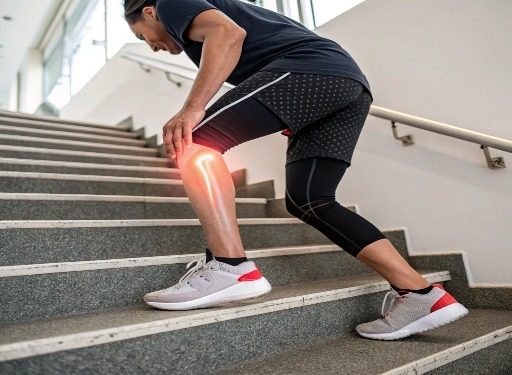
Knee pain can turn daily joys—like strolling through Lucknow’s bustling Hazratganj markets, playing cricket on local grounds, or teaching in a lively classroom—into frustrating challenges. PFO Treatment in Lucknow offers advanced, tailored solutions for patellofemoral pain syndrome (PFPS) and patellofemoral arthritis, addressing knee cap pain without always requiring surgery. Dr. Saurabh Jain, the best doctor for PFO treatment in Lucknow, a renowned Arthroscopic Surgeon in Lucknow, and Sports Injury Surgeon in Lucknow, specializes in non-surgical knee pain management and precise surgical interventions to restore mobility. This comprehensive guide explores how advanced treatment for PFO knee issues works, its applications, benefits, recovery process, and how to choose the right specialist in Lucknow’s vibrant healthcare landscape.
What Is PFO Treatment?
PFO Treatment encompasses therapies for patellofemoral joint disorder, including patellofemoral pain syndrome (PFPS) and patellofemoral arthritis (PFOA). PFPS, often called runner’s knee, involves pain around the kneecap due to overuse, misalignment, or muscle weakness, affecting 3-6% of the population (AAFP). PFOA, affecting up to 25% of knee pain sufferers, involves cartilage loss in the patellofemoral joint, causing stiffness and pain during activities like stair climbing (Physiopedia). Unlike total knee replacement, PFO treatments prioritize joint preservation through non-surgical knee pain management or minimally invasive surgery.
The Science Behind PFO Treatment
The patellofemoral joint connects the kneecap (patella) to the thighbone (femur), gliding smoothly in the femoral groove during movement. Misalignment, overuse, or cartilage wear can cause knee cap pain or patellofemoral arthritis. Non-surgical treatments strengthen muscles like the quadriceps and vastus medialis obliquus (VMO) to improve patellar tracking, while surgical options like arthroscopy or tibial tubercle transfer correct structural issues, as noted by HSS.
Conditions Treated with PFO Treatment
PFO Treatment addresses various knee conditions affecting Lucknow’s diverse population. Below are key applications with local examples:
Patellofemoral Pain Syndrome (PFPS)
- Description: Treats anterior knee pain from overuse, muscle imbalance, or patellar tracking disorder, worsened by running or squatting.
- Relevance: Common among cricketers, runners, or students carrying heavy bags.
Patellofemoral Arthritis (PFOA)
- Description: Manages cartilage loss in the patellofemoral joint, causing pain and stiffness during stair climbing or prolonged sitting.
- Relevance: Affects teachers, retirees, or vendors with prolonged standing.
Patellar Tracking Disorder
- Description: Corrects improper kneecap movement due to tight ligaments or weak muscles, leading to pain or instability.
- Relevance: Common in dancers or athletes with repetitive knee stress.
Other Applications
- Knee Instability: Stabilizes the kneecap to prevent dislocations, common in kabaddi players.
- Post-Traumatic Knee Pain: Addresses pain from falls or injuries, affecting laborers in Chowk.
- Chondromalacia Patellae: Treats cartilage softening under the kneecap, often seen in young adults.
Want More Info..
How PFO Treatment Works
Understanding advanced treatment for PFO knee issues prepares patients for a smooth experience. Here’s a breakdown of non-surgical and surgical approaches:
Non-Surgical PFO Treatment
- Assessment: The knee preservation orthopedic surgeon evaluates medical history, focusing on knee cap pain or sports-related knee injury, and conducts physical exams (e.g., patellar tilt test, Q-angle measurement). Imaging (X-rays, MRI) rules out other conditions like osteoarthritis.
- Therapies:
- Physical Therapy: Exercises to strengthen quadriceps, hip abductors, and VMO, improving patellar tracking (Cleveland Clinic).
- Kinesiotaping: Temporarily aligns the kneecap, reducing pain during activity.
- Orthotics: Shoe inserts correct flat feet or overpronation, reducing knee stress.
- Activity Modification: Avoid high-impact activities like running, opting for swimming or cycling.
- Duration: 6-12 weeks, with 73% of patients seeing symptom resolution (JOSPT).
Surgical PFO Treatment
- Indications: Reserved for severe cases unresponsive to non-surgical treatment (e.g., advanced PFOA, persistent patellar tracking disorder).
- Procedure Steps:
- Anesthesia: General or regional anesthesia ensures comfort.
- Arthroscopy: A small arthroscope and instruments are inserted through keyhole incisions to remove damaged cartilage or perform debridement.
- Lateral Release: Loosens tight lateral retinaculum to correct patellar tilt (HSS).
- Tibial Tubercle Transfer: Realigns the patellar tendon for severe misalignment, using screws to secure the bone.
- Duration: Outpatient (arthroscopy) or 1-2 day hospital stay (tibial tubercle transfer).
Post-Treatment Care
- Rest: Avoid high-impact activities for 2-6 weeks.
- Bracing: Use a knee brace or crutches for 4-8 weeks post-surgery.
- Physical Therapy: Gradual exercises to restore strength and mobility.
- Follow-Up: Regular check-ins to monitor healing.
Recovery and Aftercare
Proper aftercare maximizes advanced treatment for PFO knee issues benefits. Here’s a comprehensive guide:
Immediate Post-Treatment Care
- Rest the Knee: Avoid running or jumping for 2-6 weeks, using crutches if needed.
- Bracing: Wear a knee brace for 4-8 weeks post-surgery to stabilize the joint.
- Ice Therapy: Apply ice packs for 15-20 minutes, 2-3 times daily, to reduce swelling.
- Nutrition: Consume protein-rich foods (e.g., dal, paneer) to support tissue repair, common in Lucknow’s cuisine.
Rehabilitation and Physical Therapy
- Quadriceps Strengthening: Exercises like straight-leg raises improve patellar tracking.
- Hip and Core Exercises: Strengthen hip abductors and core to reduce knee stress.
- Stretching: Hamstring and iliotibial band stretches enhance flexibility.
- Low-Impact Activities: Swimming or cycling to build strength without strain.
Recovery Timeline
- 1-2 Weeks: Reduced pain and swelling with non-surgical knee pain treatments.
- 6-12 Weeks: Improved mobility and function for PFPS; surgical patients begin light activities.
- 3-6 Months: Full recovery for surgical cases, with restored strength and range of motion.
Common Mistakes to Avoid
- Overuse: Avoid high-impact sports too soon, risking re-injury.
- Skipping Therapy: Consistent physical therapy is critical for patellofemoral joint disorder recovery.
- Ignoring Pain: Persistent pain may indicate complications; consult your doctor.
- Poor Posture: Incorrect walking or sitting can worsen knee cap pain.
- Neglecting Follow-Ups: Regular check-ins ensure optimal healing.
Want More Info..
Choosing a PFO Specialist in Lucknow
Selecting the right best doctor for PFO treatment is crucial. Consider:
- Expertise: Dr. Saurabh Jain excels in knee arthroscopic surgery and non-surgical knee pain management, using advanced techniques like ultrasound-guided arthroscopy.
- Technology: Clinics with MRI and X-ray facilities ensure accurate diagnosis.
- Patient-Centered Care: Personalized plans for patellofemoral pain syndrome or patellofemoral arthritis.
- Cost Transparency: Non-surgical treatments cost ₹5,000-₹20,000; surgical treatments range from ₹50,000-₹2,50,000.
- Track Record: High success rates for advanced treatment for PFO knee issues.
Lucknow’s advanced medical infrastructure supports top-tier knee preservation orthopedic surgeon care.
Preventing PFO Issues in Lucknow
Preventive strategies reduce the need for PFO Treatment :
- Warm-Ups: Stretch before cricket, kabaddi, or dancing to prevent sports-related knee injury.
- Ergonomics: Use supportive chairs for artisans to avoid repetitive strain.
- Strength Training: Quadriceps and hip exercises to support patellar tracking.
- Proper Footwear: Wear shoes with arch support to correct overpronation.
- Weight Management: Maintain a healthy weight with Lucknow’s balanced cuisine to reduce knee stress.
PFO Treatment transforms lives by addressing patellofemoral pain syndrome, patellofemoral arthritis, and patellar tracking disorder with tailored non-surgical knee pain and surgical solutions. Dr. Saurabh Jain, a trusted Arthroscopic and Sports Injury Surgeon in Lucknow, delivers advanced treatment for PFO issues.