 Call us :-
+91-8004301267
Call us :-
+91-8004301267 Email: info@drsaurabhjain.co.in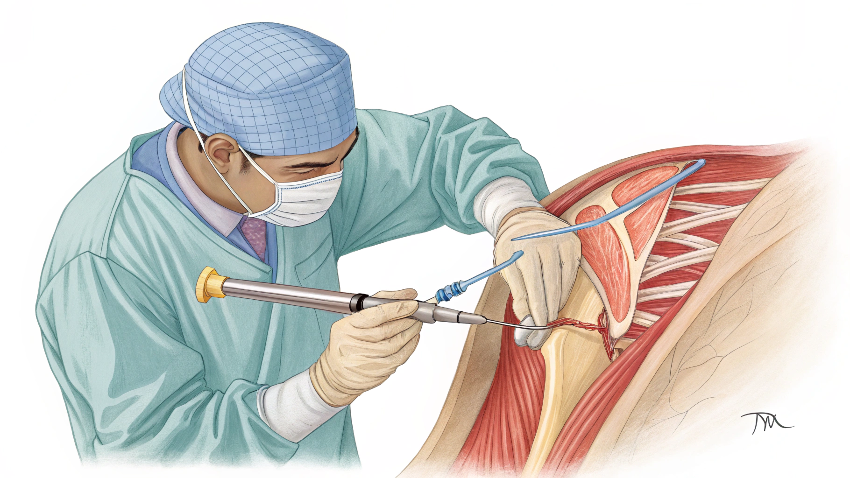
Shoulder pain can make daily activities like lifting objects, reaching overhead, or even simple arm movements feel daunting. For those struggling with chronic biceps tendon issues, biceps tenotomy offers a highly effective, minimally invasive solution to relieve pain and restore function. Dr. Saurabh Jain, a leading arthroscopic and sports injury surgeon, provides expert care tailored to individual needs, helping patients regain mobility and comfort. Here we will talk about biceps tendon problems, diagnosis, treatment options, and recovery, highlighting how keyhole release of the biceps tendon ensures quick relief with minimal disruption. Whether you’re an athlete, office worker, or student, this procedure can help you return to your routine pain-free.
What Is Biceps Tenotomy?
The biceps tendon, specifically the long head of biceps (LHB), connects the biceps muscle to the shoulder joint, aiding in arm flexion and rotation. When this tendon becomes inflamed, torn, or trapped, it causes persistent pain and limited mobility. Biceps tenotomy is a surgical procedure that involves cutting the painful biceps tendon to release it from the shoulder joint, alleviating discomfort. Performed arthroscopically, this simple biceps tendon release uses small incisions and a camera to guide the surgeon, ensuring precision and minimal tissue damage. Unlike tenodesis, which reattaches the tendon elsewhere, tenotomy allows the tendon to retract naturally, often without significant loss of function. It’s typically recommended for older patients or those with chronic tendon issues, such as tears or SLAP lesions. The long head of biceps (LHB) tenotomy is quick, often taking 30-60 minutes, with patients usually discharged the same day.
Causes and Symptoms of Biceps Tendon Issues
Biceps tendon problems arise from various causes, impacting individuals across different activity levels. Overuse from repetitive arm movements, such as lifting or overhead tasks, is a primary culprit. Trauma, like a fall or direct blow, can also damage the tendon. Aging contributes to degeneration, with 30-50% of individuals over 60 showing some tendon wear. Athletes face higher risks due to intense shoulder use, while office workers may develop issues from prolonged poor posture. Symptoms are distinct and often worsen with activity. Pain is typically felt in the front of the shoulder, radiating down the arm. Weakness during lifting or rotating the arm is common, and a snapping or popping sensation may occur. Chronic inflammation can lead to stiffness, limiting range of motion. If untreated, associated injuries like rotator cuff tears or labral damage may develop.
Common Causes
- Overuse: Repetitive lifting or overhead motions in sports or work.
- Trauma: Falls or direct impacts to the shoulder.
- Degeneration: Age-related wear or associated shoulder conditions.
Recognizing Symptoms
- Pain: Sharp or aching pain in the front shoulder, worse with movement.
- Weakness: Difficulty lifting or rotating the arm.
- Stiffness: Limited range of motion or snapping sensations.
Early recognition ensures timely intervention, preventing further damage.
Diagnosis of Biceps Tendon Problems
Diagnosing biceps tendon issues involves clinical evaluation and imaging to confirm the condition. The process starts with a detailed history, discussing the injury’s onset, such as pain after repetitive tasks or a sudden incident. Physical exams assess shoulder function, with tests like the Yergason’s test or Speed’s test checking for tenderness and weakness specific to the biceps tendon. Pain or weakness during these tests suggests tendon involvement. Associated conditions, like rotator cuff tears, are also evaluated, as they often coexist. Accurate diagnosis distinguishes biceps issues from other shoulder problems, ensuring targeted treatment.
Physical Examination
Physical exams focus on shoulder stability and function. Palpation identifies tenderness over the biceps tendon, while range of motion tests reveal limitations. Specific maneuvers, like resisted forearm supination, confirm tendon pathology. These non-invasive tests provide immediate insights into the injury’s severity.
Imaging Tests
- X-rays: Rule out associated bone abnormalities.
- MRI: Provides detailed visualization of tendon tears or inflammation.
- Ultrasound: Assesses the tendon dynamically during movement in real time.
Accurate diagnostics ensure a tailored treatment approach.
Treatment Options for Biceps Tendon Issues
Treatment depends on the condition’s severity, patient age, and activity level. Non-surgical options are effective for mild inflammation or partial tears, while surgery is recommended for chronic pain or significant damage. The goal is to relieve pain, restore function, and prevent complications.
Non-Surgical Treatments
Non-surgical approaches focus on reducing inflammation and strengthening the shoulder. Physical therapy includes exercises to improve rotator cuff and scapular stability, reducing stress on the biceps tendon. Rest and activity modification avoid aggravating movements, while ice and anti-inflammatory measures manage swelling. This approach suits less active patients or those with minor issues, with 50-70% experiencing symptom relief within 6-12 weeks.
Surgical Treatments
For chronic pain or severe tears, biceps tenotomy is the preferred solution. This arthroscopic biceps tenotomy involves cutting the painful biceps tendon through small incisions, using a camera to guide the procedure. The biceps tendon transection releases the tendon from the glenoid, alleviating pain without reattachment. It’s often combined with other repairs, like rotator cuff surgery, for comprehensive treatment.
The Biceps Tenotomy Procedure
The procedure begins with pre-operative planning to ensure success. Patients undergo evaluations, including imaging to assess tendon damage and associated injuries. Anesthesia (general or regional) is administered for comfort. During surgery, small incisions allow the arthroscope to visualize the joint. The procedure to free the trapped biceps tendon is performed by cutting the LHB, which retracts naturally. The incisions are closed, and the shoulder is bandaged. Post-operative care focuses on pain management and early mobilization. Most patients return home the same day, benefiting from the endoscopic biceps tenotomy approach’s minimal invasiveness.
Pre-Operative Preparation
Preparation includes physical therapy to strengthen the shoulder, improving post-op outcomes. Patients are advised to optimize nutrition for healing, focusing on protein-rich diets. Anesthesia options and medical history are reviewed to minimize risks.
The Surgery Step by Step
- Anesthesia: Administered for comfort.
- Arthroscopy: Small incisions for camera and instruments.
- Tendon Release: The LHB is cut, allowing retraction.
- Closure: Incisions sutured, shoulder bandaged.
This shoulder tendon release surgery ensures precision and minimal trauma.
Post-Operative Care
Immediate care includes ice to reduce swelling and a sling for 2-4 weeks to protect the shoulder. Pain is managed, and gentle motion exercises begin early to prevent stiffness. Follow-ups monitor healing and guide rehab.
Benefits of Biceps Tenotomy
- The quick release of the biceps in the shoulder offers significant advantages. The minimally invasive approach reduces pain, scarring, and recovery time, with 85–90% of patients reporting pain relief. The procedure preserves shoulder function, especially for non-athletes, and addresses associated issues like labral tears in one session.
- Patients, from athletes to office workers, experience improved quality of life, resuming activities like lifting or reaching without discomfort. The simple biceps tendon release is quick and effective, making it ideal for chronic tendon issues.
Recovery and Rehabilitation After Surgery
- Recovery is phased, starting with pain control and swelling reduction. A sling is used for 2–4 weeks, with gradual weight-bearing. Physical therapy begins within days, focusing on range of motion, followed by strength exercises. Full recovery takes 4–8 weeks for daily activities, with athletes returning to sports at 3–4 months.
- Rehabilitation includes rotator cuff strengthening and scapular stability exercises. Consistency is key, with structured programs ensuring optimal outcomes. Patients are guided to avoid heavy lifting early to protect the shoulder.
Immediate Post-Surgery Phase
- The first 1–2 weeks focus on rest, ice, and sling use. Gentle exercises prevent stiffness, and pain is managed with prescribed methods. Wound care minimizes infection risk.
Physical Therapy and Rehab
- Therapy starts with passive motion, progressing to active exercises like shoulder rotations. Resistance training strengthens the shoulder, and sport-specific drills prepare athletes for return. Programs are tailored to individual needs.
Timeline for Return to Activities
- 1–2 Weeks: Reduced swelling, sling use.
- 4–6 Weeks: Light activities, improved motion.
- 3–4 Months: Full return to sports or heavy tasks.
This timeline ensures safe progression.
Risks and Complications
- Risks include infection (1–2%), cosmetic deformity (Popeye bulge in 20–30%), and cramping (10%). Stiffness or persistent pain may occur if rehab is neglected. Rare complications include nerve damage. Experienced surgeons minimize these risks through precise techniques.
Conclusion
- Biceps tenotomy is a transformative solution for chronic biceps tendon pain, offering relief through quick release of the biceps in the shoulder. This minimally invasive procedure ensures fast recovery and restored function, ideal for athletes, workers, or students. With expert care, patients can resume their lives pain-free.
Dr. Saurabh Jain, Arthroscopic and Sports Injury Surgeon in Lucknow