 Call us :-
+91-8004301267
Call us :-
+91-8004301267 Email: info@drsaurabhjain.co.in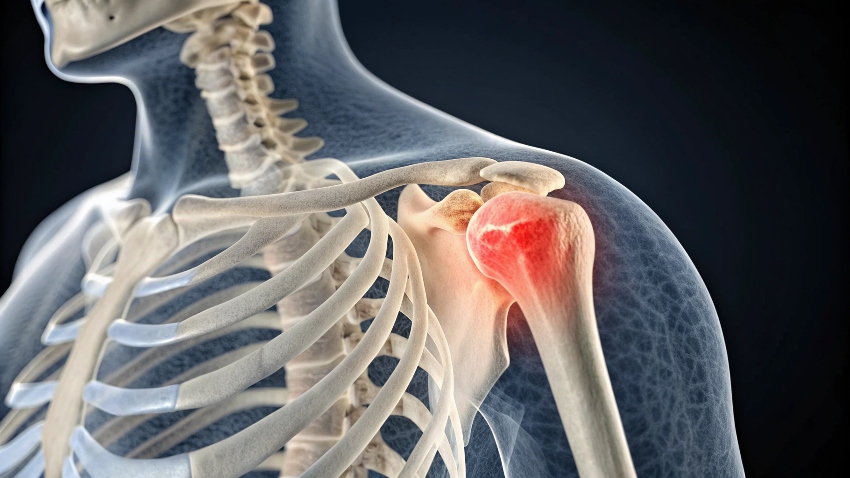
Imagine waking up one day and finding it hard to lift your arm to brush your hair or reach for a glass on a high shelf. That’s what frozen shoulder feels like—a stiff, painful shoulder that makes simple tasks tough. Frozen shoulder, also called adhesive capsulitis, is a condition where your shoulder joint gets tight and hurts, making it hard to move. It’s like your shoulder is “frozen” in place, and it can really mess with your daily life.
This condition is more common in certain people, like women between 40 and 60 years old, people with diabetes, or those who don’t move much, like if you sit at a desk all day. It can also happen after an injury or surgery that keeps your shoulder still for too long. The good news? If you catch it early and get the right treatment, you can feel better faster. Waiting too long can make it worse, so learning about frozen shoulder now is super important.
In this blog, we’ll explain what frozen shoulder is, why it happens, how to spot it, and all the ways to treat it. Whether you’re dealing with it yourself or helping someone else, this guide will make it easy to understand what’s going on and how to fix it.
What Is Frozen Shoulder?
Frozen shoulder, or adhesive capsulitis, is when the tissue around your shoulder joint gets thick, tight, and inflamed. This makes your shoulder stiff and painful, so moving it feels like trying to open a rusty door. The shoulder joint is like a ball and socket, kind of like a baseball in a glove. The “socket” is part of your shoulder blade, and the “ball” is the top of your arm bone. A tough layer called the joint capsule wraps around it to keep everything stable. In frozen shoulder, this capsule gets so tight it’s like it’s glued together—hence the name “adhesive capsulitis.”
A lot of people mix up frozen shoulder with arthritis, but they’re not the same. Arthritis happens when the cartilage in your joint wears down, like when the tread on a tire gets thin. Frozen shoulder is about the capsule tightening up, not the joint itself breaking down. So, no, it’s not arthritis, even though both can make your shoulder hurt.
Causes of Frozen Shoulder
So, why does frozen shoulder happen? Sometimes, doctors don’t know the exact reason—it’s called “idiopathic,” which is a fancy word for “we’re not sure.” But there are some things that make it more likely:
- Immobility: If you don’t move your shoulder for a long time, like after a surgery, injury, or wearing a sling, the joint capsule can get stiff. Think of it like a door that hasn’t been opened in years—it gets stuck.
- Health conditions: People with diabetes are way more likely to get frozen shoulder. About 10–20% of people with diabetes deal with it at some point. Thyroid problems, like hypothyroidism (when your thyroid is underactive), can also play a role. Other conditions like Parkinson’s disease or heart disease might increase your risk too.
- Injury or surgery: If you hurt your shoulder or have surgery on it, like a rotator cuff repair, keeping it still to heal can lead to frozen shoulder.
- Stress: Stress doesn’t directly cause frozen shoulder, but it can make things worse. When you’re stressed, your body can get inflamed, and bad posture (like hunching over) can put extra strain on your shoulder.
- Other conditions: Frozen shoulder can sometimes be a clue that something else is going on, like diabetes or thyroid issues. If you get it out of the blue, it’s worth checking with a doctor to see if there’s an underlying problem.
Frozen Shoulder Symptoms and Stages
Frozen shoulder doesn’t just show up all at once—it happens in stages, and each one feels a bit different. Here’s what to look out for and how it progresses:
Early Signs
At first, you might notice your shoulder feels achy, especially at night. It might hurt when you try to reach up or behind you, like when you’re putting on a jacket. This is the start of the problem, and it’s easy to brush it off as just a sore muscle.
The Three Stages
Frozen shoulder goes through three main stages:
- Freezing Stage (2–9 months): This is when the pain starts and gets worse. Your shoulder feels stiff, and moving it hurts a lot, especially at night. You might not be able to lift your arm as high as usual. It’s like your shoulder is slowly locking up.
- Frozen Stage (4–12 months): The pain might ease up a bit, but your shoulder gets super stiff. You can’t move it much at all—like trying to turn a steering wheel that’s stuck. Everyday tasks, like reaching for something or getting dressed, become really hard.
- Thawing Stage (5–24 months): Things start to get better. Your shoulder slowly loosens up, and you can move it more without as much pain. This stage can take a long time, but you’re on the road to recovery.
Each person’s experience is a little different, but these stages give you a general idea of what to expect.
Diagnosis of Frozen Shoulder
If your shoulder hurts and you can’t move it well, it’s time to see a doctor. They’ll figure out if it’s frozen shoulder or something else. Here’s how they do it:
- Physical Exam and Medical History: The doctor will ask about your symptoms, like when the pain started and what makes it worse. They’ll also check how far you can move your shoulder. They might ask you to reach up or behind your back to see what’s hard for you.
- Imaging Tests: To make sure it’s not something else, like a torn rotator cuff or arthritis, the doctor might order an X-ray or MRI. An X-ray shows the bones, while an MRI gives a better look at the soft tissues, like the joint capsule. These tests help rule out other problems.
Want More Info..
Frozen Shoulder Treatment Options
The good news is there are lots of ways to treat frozen shoulder, from simple things you can do at home to surgery if nothing else works. Let’s break it down.
Non-Surgical Treatments
Most people start with non-surgical options because they’re less invasive and often work well.
- Home Remedies for Frozen Shoulder Pain: Applying heat or ice can help. Heat loosens the joint before exercises, and ice reduces pain after. Resting the shoulder but not keeping it still all the time is key.
- Pain Relief Medications: Over-the-counter meds like ibuprofen or acetaminophen can help with pain and inflammation. Always check with a doctor before taking anything long-term.
- Cortisone Injections: If the pain is really bad, a doctor might give you a steroid shot in your shoulder. This reduces inflammation and can make it easier to move.
- Physical Therapy: A physical therapist can teach you exercises to gently stretch and strengthen your shoulder. This is a big part of getting better, but you have to do it the right way to avoid making things worse.
- How to Cure Frozen Shoulder Naturally: Some people try natural remedies like acupuncture or massage. These might help with pain, but they’re not a cure on their own. Sticking to a gentle exercise plan is the best “natural” way to improve.
- How to Unfreeze a Frozen Shoulder: The key is to keep the shoulder moving without overdoing it. A physical therapist can guide you through exercises that slowly stretch the joint capsule.
Minimally Invasive & Surgical Options
If non-surgical treatments don’t work after 6–12 months, you might need something more advanced. These options are usually done by a Best Arthroscopic & Sports Injury Surgeon to make sure they’re done right.
- Arthroscopic Surgery: This is a minimally invasive surgery where a doctor uses a tiny camera and tools to cut away the tight capsule tissue. It’s done through small incisions, so recovery is faster than open surgery.
- Manipulation Under Anesthesia (MUA): The doctor puts you to sleep and gently moves your shoulder to break up the tight tissue. It sounds scary, but it’s a common procedure for frozen shoulder.
- PRP Treatment: Platelet-rich plasma (PRP) injections use your own blood to help reduce inflammation and promote healing. It’s still being studied, but some people find it helpful.
- Shoulder Joint Capsule Release Surgery: This is similar to arthroscopic surgery , where the doctor cuts the tight capsule to free up the joint. It’s usually a last resort.
Frozen Shoulder Exercises & Rehabilitation
Exercises are super important for getting your shoulder moving again. A physical therapist will guide you through three phases:
- Passive Exercises: You use your other hand or a tool (like a stick) to move the stiff shoulder gently. This helps stretch the joint without straining it.
- Active-Assisted Exercises: You start using your shoulder muscles a bit more, but still with help from your other hand or a tool. Think of exercises like arm circles or reaching up a wall.
- Strengthening Exercises: Once your shoulder is less stiff, you do exercises to make the muscles stronger, like lifting light weights or using a resistance band.
Want More Info..
Lifestyle & Home Management
Living with frozen shoulder means making some changes to avoid pain and help recovery.
How to Sleep with a Frozen Shoulder
- Sleep on your back or the unaffected side to minimize pressure.
- Place a pillow under your affected arm for elevation and support.
- Use a firm mattress to maintain spinal alignment and reduce shoulder strain.
Heat and Cold Therapy
- Apply a warm compress for 15–20 minutes before exercise to loosen stiff muscles.
- Use an ice pack after physical activity to reduce inflammation and soreness.
- Always wrap heat/cold packs in a cloth—never apply directly to the skin.
Anti-Inflammatory Diet & Supplements
- Include omega-3-rich foods like fish, walnuts, and flaxseeds.
- Eat more colorful vegetables (spinach, broccoli, bell peppers) to fight inflammation.
- Supplements like turmeric (curcumin) or omega-3 capsules may help—but consult your doctor first.
Managing Stress and Improving Posture
- Practice relaxation techniques like meditation, yoga, or deep breathing.
- Avoid slouching—keep your shoulders relaxed and back straight when sitting or standing.
- Use ergonomic furniture to maintain correct posture during work or rest.
Recovery Timeline and Expectations
Frozen shoulder takes time to heal, and everyone’s different. Here’s what to expect:
- Recovery Time: It can take anywhere from 6 months to 3 years to fully recover. Treatment like physical therapy can speed things up.
- Can It Heal on Its Own?: Yes, sometimes, but it can take 1–3 years without treatment. Getting help from a doctor makes it faster and less painful.
- Is It Permanent?: No, frozen shoulder usually goes away with time or treatment. It’s not a lifelong condition, but it can feel like it lasts forever without care.
When to See a Doctor
You should see a doctor if:
- Your shoulder pain gets worse or doesn’t improve after a few weeks.
- You can’t move your shoulder much, even after months of trying exercises.
- You have other symptoms, like numbness or weakness in your arm.
The best doctor for frozen shoulder treatment is usually an orthopedic specialist, especially one who’s good at arthroscopic surgery. They can do tests, recommend treatments, and, if needed, perform surgery to help you move again.
Frozen Shoulder in Diabetic Patients
People with diabetes are more likely to get frozen shoulder—about 10–20% of them do. Here’s why:
- Why It’s Common: High blood sugar can make tissues stiff and inflamed, which affects the shoulder capsule.
- Special Care: Diabetics might need extra physical therapy and closer monitoring because recovery can take longer.
- Managing Both: Keep your blood sugar under control with diet, exercise, and meds. Work with your doctor and therapist to balance blood sugar and shoulder exercises.
Final thoughts
Frozen shoulder is a tough condition that makes your shoulder stiff and painful, but with the right steps, you can get better. It’s more common in women aged 40–60, people with diabetes, or those who don’t move much. Catching it early and starting treatment—like physical therapy, meds, or even surgery—can make a big difference. Don’t wait to see a doctor if your shoulder’s acting up, especially a specialist like the best doctor for frozen shoulder who knows how to handle tricky cases.
