 Call us :-
+91-8004301267
Call us :-
+91-8004301267 Email: info@drsaurabhjain.co.in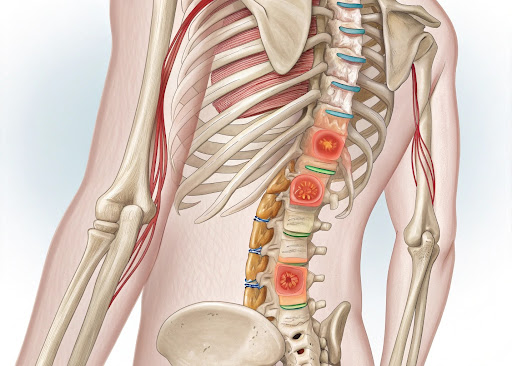
Lower back pain is something many people feel at some point in their lives. It’s that ache or stiffness in the lower part of your spine, right above your hips. It can make it hard to move, sit, or even sleep comfortably. For some, it’s a quick pain that goes away, but for others, it sticks around and affects their day-to-day life.
How Common Is Lower Back Pain?
Lower back pain is super common among adults. Studies show that about 80% of adults will deal with it at some point. It’s one of the top reasons people visit doctors or miss work. Whether you’re sitting at a desk all day, lifting heavy things, or just getting older, lower back pain doesn’t pick favorites—it can happen to anyone.
Its Effects in Your Life
When your lower back hurts, it can mess with your quality of life. Simple things like bending down to tie your shoes, playing with your kids, or even sitting through a movie can feel impossible. It might keep you awake at night or make you feel grumpy because you’re always uncomfortable. For some, it even leads to stress or sadness because the pain just won’t go away
Common Causes of Lower Back Pain in Adults
So, what causes lower back pain in adults? There are a bunch of reasons your back might hurt, and knowing them can help you figure out what’s going on.
Muscle Strain
One of the most common causes is muscle strain. This happens when you overstretch or tear the muscles or ligaments in your lower back. Maybe you lifted something heavy, twisted the wrong way, or worked out too hard. Strains can make your back feel sore and stiff, and the pain usually stays in one spot.
Herniated Disc
A herniated disc is another big cause. Your spine is made up of bones called vertebrae, and between them are soft discs that act like cushions. If one of these discs slips out of place or breaks, it can press on nearby nerves, causing pain. This can feel like a sharp, shooting pain that might even go down your leg.
Spinal Stenosis
Spinal stenosis happens when the space around your spinal cord gets too narrow. This can put pressure on the nerves, leading to pain, numbness, or weakness. It’s more common in older adults because the spine naturally changes as we age.
Arthritis
Arthritis is when the joints in your body get inflamed. In the lower back, a type called osteoarthritis can wear down the cartilage between your vertebrae, causing pain and stiffness. Another type, called rheumatoid arthritis , can also affect the spine and make it hurt.
Lower Back Pain Symptoms & When to Worry
Lower back pain can feel different for everyone. Some people just feel a dull ache, while others might have sharp, burning pain. Let’s break down the symptoms and when you should be concerned.
Localized Pain vs. Radiating Pain
Localized pain stays in your lower back. It might feel like a tight knot or a sore spot that hurts when you move. Radiating pain, on the other hand, spreads out. For example, lower back pain with leg numbness might mean a nerve is being pressed, like in sciatica. This kind of pain can shoot down your leg or even to your foot.
Stiffness, Numbness, and Tingling
Stiffness is when your back feels tight, like it’s hard to bend or twist. Numbness or tingling, especially in your legs, could mean a nerve is irritated. For example, if you feel a pins-and-needles sensation, it might be a sign of something like a herniated disc or sciatica.
When to See a Doctor for Lower Back Pain
Most back pain gets better on its own, but some symptoms are red flags. You should see a doctor if:
- The pain lasts more than two weeks.
- You have numbness or tingling in your legs.
- You lose control of your bladder or bowels (this is rare but serious).
- The pain comes with fever, weight loss, or other weird symptoms.
These could mean something more serious, like an infection or a problem with your spine that needs quick attention.
Chronic Lower Back Pain: What It Means
Chronic lower back pain is when the pain sticks around for more than 12 weeks. Unlike acute pain, which might go away after a few days or weeks, chronic pain keeps coming back or never fully leaves. It can be frustrating and make you feel like you’ll never get better.
Conditions Linked to Chronic Pain
Chronic pain is often tied to conditions like:
- Herniated discs: If the disc keeps pressing on a nerve, the pain can last.
- Arthritis: Ongoing inflammation in the spine can cause constant discomfort.
- Spinal stenosis: Narrowing of the spinal canal can lead to long-term pain.
- Fibromyalgia: This condition causes widespread pain, including in the lower back.
Can Stress Cause Lower Back Pain?
Believe it or not, stress can make your back hurt. When you’re stressed, your muscles tense up, especially in your back and neck. This tension can lead to pain or make existing pain worse. Plus, stress can make you feel the pain more intensely because it affects how your brain processes it.
Chronic Lower Back Pain Treatment
Treating chronic pain often involves a mix of things, like physical therapy, medications, or even lifestyle changes. We’ll dive into treatments later, but the goal is to reduce pain, improve movement, and help you live better.
Posture, Lifestyle & Everyday Triggers
Your daily habits can play a huge role in lower back pain. Let’s look at some common triggers and how to avoid them.
Poor Sitting Habits
Sitting for too long, especially with bad posture, is a major cause of lower back pain. If you slouch at your desk or hunch over your phone, you’re putting extra stress on your spine. Lower back pain from sitting too long is super common, especially for people with desk jobs.
How to sit with lower back pain:
- Use a chair with good back support.
- Keep your feet flat on the floor.
- Take breaks every 30 minutes to stand or walk.
Sleep Posture
Your sleep position can also cause problems. Lower back pain in the morning only might mean you’re sleeping in a way that strains your spine. For example, sleeping on your stomach can arch your back too much, leading to pain.
Tips for better sleep posture:
- Sleep on your back with a pillow under your knees.
- If you sleep on your side, put a pillow between your knees to keep your spine aligned.
Improper Lifting
Lifting heavy things the wrong way can hurt your back. Bending at the waist instead of your knees or twisting while lifting can strain your muscles or even cause a herniated disc.
How to lift safely:
- Bend your knees and keep your back straight.
- Hold the object close to your body.
- Avoid twisting while lifting.
Home Remedies & Natural Relief
You don’t always need a doctor to feel better. There are plenty of home remedies for lower back pain relief that you can try.
Stretching and Yoga
Gentle stretching can loosen tight muscles and improve flexibility. Yoga poses like Child’s Pose or Cat-Cow can help stretch your lower back and reduce pain. Just make sure to go slow and stop if anything hurts.
Hot and Cold Packs
Hot and cold therapy for back pain works wonders. Use a cold pack for the first 48 hours after an injury to reduce swelling. After that, switch to a heating pad to relax muscles and improve blood flow.
Over-the-Counter Pain Meds
Medications like ibuprofen or acetaminophen can help with pain and inflammation. Just follow the instructions on the bottle and don’t take them for too long without talking to a doctor.
Best Exercises to Reduce Lower Back Pain
Exercise can be a game-changer for lower back pain, but you have to do the right ones. Here are some ideas.
Gentle Stretching
Stretching helps loosen tight muscles and improve your range of motion. Try these:
- Knee-to-chest stretch: Lie on your back, pull one knee to your chest, and hold for 20 seconds. Switch sides.
- Pelvic tilt: Lie on your back with knees bent, tighten your stomach muscles, and press your lower back into the floor.
Core Strengthening
A strong core (your stomach and back muscles) supports your spine. Try exercises like:
- Plank: Hold a plank position for 20–30 seconds to build core strength.
- Bird dog: On your hands and knees, extend one arm and the opposite leg, hold for a few seconds, then switch.
Is Walking Good for Lower Back Pain?
Yes, walking is great! It’s low-impact, gets your blood flowing, and helps keep your spine flexible. Start with short walks and avoid uneven surfaces.
Activities to Avoid
Some activities can make your pain worse, like:
- High-impact exercises (like running or jumping).
- Heavy lifting without proper form.
- Sitting or standing in one position for too long.
Medical Treatments & Therapy Options
If home remedies aren’t enough, you might need professional help. There are two main types of treatments: non-surgical and advanced medical options.
Non-Surgical Treatments
These are treatments that don’t involve surgery and can often help a lot.
- Physiotherapy for lower back pain: A physical therapist can teach you exercises to strengthen your back and improve your posture.
- Massage therapy for lower back pain relief: Massage can relax tight muscles and reduce pain.
- TENS therapy for lower back pain: TENS (transcutaneous electrical nerve stimulation) uses small electrical pulses to block pain signals.
- Chiropractic treatment for lower back pain: A chiropractor can adjust your spine to improve alignment and reduce pain.
- Acupuncture for lower back pain: This involves inserting tiny needles into specific points to relieve pain.
For those dealing with sports-related injuries or chronic pain, consulting the Best Arthroscopic & Sports Injury Surgeon can provide specialized care to get you back on track.
Advanced Medical Interventions
If non-surgical treatments don’t work, your doctor might suggest more advanced options.
- PRP injection for lower back pain: Platelet-rich plasma (PRP) injections use your own blood to promote healing in damaged tissues.
- Cortisone shot for lower back pain: These injections reduce inflammation and can provide temporary relief.
- Surgery for chronic lower back pain: Surgery, like a discectomy or spinal fusion, is usually a last resort for severe cases.
- Non-surgical treatment for lower back pain: Options like epidural injections or nerve blocks can help without needing surgery.
Lower Back Pain vs Other Conditions
Sometimes, lower back pain gets confused with other issues. Let’s clear things up.
Sciatica vs Lower Back Pain
Sciatica is a type of lower back pain caused by irritation of the sciatic nerve. Unlike regular back pain, sciatica often causes radiating pain down one leg, along with numbness or tingling.
Lower Back Pain vs Slipped Disc
A slipped (or herniated) disc is one cause of lower back pain. Not all back pain comes from a slipped disc, but if you have one, it might cause sharp pain or numbness in your legs.
Is Lower Back Pain a Sign of Kidney Problems?
Sometimes, pain in the lower back area could be related to kidney issues, like an infection or kidney stones. Kidney pain is usually higher up, near your ribs, and comes with other symptoms like fever or trouble peeing.
Is Lower Back Pain a Sign of Another Condition?
Back pain can sometimes point to other problems, like infections, tumors, or even issues with organs like the pancreas. If your pain comes with weight loss, fever, or other unusual symptoms, see a doctor right away.
Tips for Daily Life & Prevention
Preventing lower back pain is all about making smart choices every day. Here’s how.
Lower Back Pain During Pregnancy
Pregnancy can put a lot of strain on your lower back because of the extra weight and changes in your posture. To help:
- Use a pregnancy pillow when sleeping.
- Wear supportive shoes.
- Try prenatal yoga to stay flexible.
Can Weight Gain Cause Lower Back Pain?
Yes, extra weight puts more pressure on your spine. Losing even a few pounds can make a big difference in how your back feels.
Posture Correction
Stand and sit up straight! Keep your shoulders back and your head aligned with your spine. It might feel weird at first, but it helps.
Ergonomic Furniture
Invest in a good chair or mattress that supports your lower back. Look for ones labeled “ergonomic” to keep your spine happy.
Maintaining Healthy Weight
Eating a balanced diet and staying active can keep your weight in check, which reduces stress on your back.
When to See a Doctor
Most lower back pain gets better with rest and home remedies, but sometimes you need a doctor. Go see one if:
- The pain lasts more than two weeks.
- You have numbness or tingling in your legs.
- You lose control of your bladder or bowels (this is an emergency).
- You have signs of serious issues, like fever, unexplained weight loss, or pain that wakes you up at night.
Final Thoughts
Lower back pain is a common problem, but it doesn’t have to control your life. From muscle strains to herniated discs, there are many causes—but thankfully, there are also plenty of ways to find relief. Home remedies like stretching and hot/cold packs can ease the discomfort, while exercises like walking or core strengthening help keep your back strong and flexible.
If the pain persists, professional treatments such as physiotherapy, chiropractic care, or even surgery may be necessary. In such cases, consulting the best arthroscopic & sports injury surgeon can provide expert insight into advanced options, especially when back pain stems from joint or movement-related injuries.
The key is to catch it early. Don’t ignore lower back pain—consult a specialist and take steps toward a pain-free life. Whether it’s improving your posture, staying active, or seeking help for chronic symptoms, taking action now can make all the difference.
