 Call us :-
+91-8004301267
Call us :-
+91-8004301267 Email: info@drsaurabhjain.co.in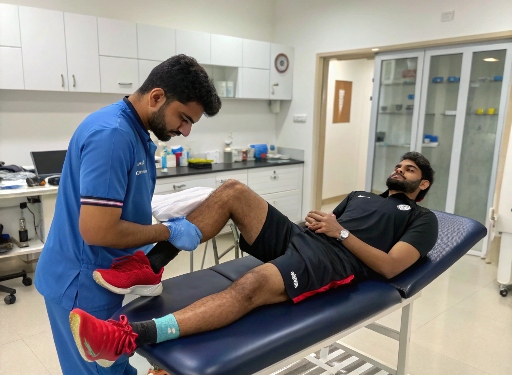
Sports injuries can be a significant setback, whether you're a professional athlete or someone who enjoys an active lifestyle. Finding the best sports injury surgeon in Lucknow, such as Dr. Saurabh Jain, is crucial for ensuring a swift and effective recovery. With the rise in sports participation across India, from cricket and badminton to gym workouts and marathons, the demand for specialized orthopedic care has grown. Lucknow, a hub of healthcare excellence in Uttar Pradesh, offers access to highly skilled surgeons who specialize in sports injuries. This comprehensive guide will help you understand sports injuries, why expert care matters, how to choose the right surgeon, and what to expect during treatment and recovery.
Understanding Sports Injuries
Sports injuries occur during physical activities, ranging from recreational exercise to competitive sports. These injuries can affect muscles, ligaments, tendons, bones, or joints and vary in severity from minor sprains to complex fractures requiring surgical intervention. Understanding the nature of these injuries is the first step toward seeking appropriate care.
Common Types of Sports Injuries
- Ligament Tears: Injuries like anterior cruciate ligament (ACL) or posterior cruciate ligament (PCL) tears are common in sports involving sudden twists, such as football or basketball. These injuries often cause swelling, instability, and difficulty moving the joint.
- Fractures: Broken bones can result from high-impact collisions, like those in contact sports such as wrestling or hockey.
- Tendinitis: Overuse injuries, such as patellar tendinitis (common in runners), occur when tendons become inflamed due to repetitive stress.
- Dislocations: Joints, particularly the shoulder, can dislocate during falls or impacts, causing pain and limited mobility.
- Meniscal Tears: The meniscus, a cartilage in the knee, can tear during pivoting movements, leading to locking or clicking sensations.
- Rotator Cuff Injuries: Common in sports like badminton or swimming, these involve tears or inflammation in the shoulder’s rotator cuff muscles.
Why Sports Injuries Require Specialized Care
Unlike general injuries, sports injuries often involve complex structures like ligaments and cartilage, which are critical for mobility and performance. A general physician may manage minor sprains, but severe injuries like ACL tears or recurrent dislocations require the expertise of an orthopedic surgeon trained in sports medicine. These specialists understand the biomechanics of athletic movements and can design treatment plans to restore full functionality, helping patients return to their active lifestyles.
Why Timely Treatment Matters
Delaying treatment for a sports injury can lead to complications, such as chronic pain, joint instability, or arthritis. For example, an untreated ACL tear can cause cartilage damage over time, necessitating more invasive procedures like knee replacement. Early intervention by a skilled surgeon can prevent these issues and restore function faster.
Risks of Delaying Treatment
- Worsening Damage: Minor tears can progress to complete ruptures, requiring more complex surgery.
- Chronic Pain: Untreated injuries may lead to persistent discomfort, limiting activity.
- Reduced Performance: Athletes may struggle to regain their pre-injury performance levels without proper care.
- Long-Term Complications: Injuries like meniscal tears can increase the risk of osteoarthritis if not addressed promptly.
Seeking a consultation as soon as symptoms appear—such as swelling, instability, or persistent pain—can make a significant difference in outcomes.
Treatment Options
Depending on the injury’s severity, the surgeon may recommend:
- Conservative Management: For minor injuries, such as mild sprains or tendinitis, rest, ice, compression, and elevation (RICE) combined with physical therapy may suffice.
- Surgical Intervention: Severe injuries, like complete ligament tears or fractures, often require surgery. Common procedures include:
- Arthroscopic Surgery: Used for ACL reconstruction, meniscal repair, or rotator cuff repair.
- Fracture Fixation: Involves using plates, screws, or pins to stabilize broken bones.
- Joint Replacement: For advanced joint damage, partial or total replacement may be necessary.
- Regenerative Therapies: In some cases, PRP or stem cell therapy may be offered to enhance healing, though these should be discussed with your surgeon for suitability.
The surgeon will explain each option, including risks and benefits, to help you make an informed decision.
Rehabilitation and Recovery
Post-treatment rehabilitation is critical for restoring strength and mobility. A comprehensive plan may include:
- Physical Therapy: Targeted exercises to rebuild muscle strength and joint stability. For example, after ACL surgery, therapy focuses on quadriceps strengthening and knee stability.
- Gradual Return to Activity: The surgeon and physiotherapist will guide you on when it’s safe to resume sports, typically 6–12 months after major surgeries like ACL reconstruction.
- Lifestyle Modifications: Advice on nutrition, weight management, and injury prevention to support long-term health.
Regular follow-ups ensure progress is on track and any complications are addressed promptly.
Stop Making These Common Mistakes
When dealing with sports injuries, certain mistakes can hinder recovery or worsen the condition. Here’s what to watch out for:
- Ignoring Symptoms: Pushing through pain can exacerbate injuries, turning a minor sprain into a full tear.
- Self-Diagnosis: Relying on online information instead of consulting a specialist can lead to incorrect treatment.
- Skipping Rehabilitation: Post-surgery physical therapy is essential for regaining full function. Skipping sessions can delay recovery.
- Returning to Sports Too Soon: Resuming intense activity before full healing increases the risk of re-injury.
- Neglecting Warm-Ups: Failing to warm up or stretch properly before sports can lead to preventable injuries.
Stay Safe: Prevent Sports Injuries Before They Happen
Prevention is always better than treatment. Here are practical steps to reduce the risk of sports injuries:
- Proper Warm-Up and Stretching: Spend 10–15 minutes warming up with light cardio and dynamic stretches to prepare muscles and joints. For example, leg swings and arm circles are effective for cricket players.
- Use Appropriate Gear: Wear sport-specific shoes (e.g., running shoes with cushioning) and protective equipment like knee pads or helmets.
- Build Strength and Flexibility: Incorporate strength training and yoga into your routine to improve joint stability and muscle resilience.
- Listen to Your Body: Rest when fatigued or experiencing minor discomfort to avoid overuse injuries.
- Work with a Coach: Proper technique, especially in sports like weightlifting or tennis, can prevent strain on joints and muscles.
Consulting a sports medicine specialist for personalized prevention strategies can further reduce risks.
Qualities of the Best Sports Injury Surgeon
Not all surgeons are equal when it comes to treating sports injuries. The best sports injury doctor in Lucknow possesses specific qualities that ensure optimal outcomes. Here’s what to look for:
Expertise and Specialization
A top surgeon should have specialized training in sports medicine and orthopedic surgery. This includes expertise in:
- Arthroscopic Surgery: A minimally invasive technique using a small camera to repair joints, reducing recovery time.
- Ligament Reconstruction: Procedures like ACL or PCL reconstruction require precision to restore joint stability.
- Joint Replacement: For severe cases, such as advanced arthritis caused by repetitive injuries, surgeons should be skilled in partial or total joint replacements.
Look for surgeons with certifications from reputed institutions, such as fellowships in sports medicine or arthroscopy, and a track record of handling complex cases.
Experience and Track Record
Experience matters in surgical outcomes. A seasoned surgeon has likely performed hundreds of procedures, from simple repairs to complex reconstructions. They can anticipate complications and tailor treatments to individual needs. Patient testimonials and success rates are good indicators of a surgeon’s proficiency.
Use of Advanced Technology
The best surgeons leverage cutting-edge tools, such as:
- 3D Imaging and Navigation Systems: These allow precise mapping of the injury, ensuring accurate surgical planning.
- Minimally Invasive Techniques: Arthroscopy and robotic-assisted surgeries reduce scarring and speed up recovery.
- Regenerative Therapies: Techniques like platelet-rich plasma (PRP) therapy may complement surgical interventions to promote healing.
These technologies enhance diagnostic accuracy and treatment effectiveness, minimizing risks.
Smaller Cuts, Faster Healing: The Arthroscopy Advantage
Arthroscopic surgery has revolutionized sports injury treatment. This minimally invasive technique uses a small camera (arthroscope) inserted through tiny incisions to visualize and repair joint damage. Benefits include:
- Smaller Incisions: Reduces scarring compared to traditional open surgery.
- Faster Recovery: Patients often return to daily activities within weeks, compared to months for open surgery.
- Lower Risk of Complications: Smaller incisions mean less risk of infection or blood loss.
- Precision: The arthroscope provides a clear view of the joint, allowing targeted repairs.
Common procedures include ACL reconstruction, meniscal repair, and rotator cuff repair, all of which are performed by top surgeons in Lucknow.
Taking these steps ensures you choose a surgeon who aligns with your needs and goals.
The Role of Rehabilitation in Recovery
Rehabilitation is a cornerstone of sports injury recovery. A structured program, guided by the surgeon and physiotherapist, helps:
- Restore Function: Exercises target specific muscle groups to regain strength and mobility.
- Prevent Re-Injury: Strengthening supporting muscles reduces stress on the repaired joint.
- Improve Performance: Rehabilitation can enhance athletic performance by addressing weaknesses.
For example, after shoulder surgery, therapy may focus on rotator cuff strengthening, while knee surgery rehab emphasizes quadriceps and hamstring exercises. Patience and adherence to the program are key to a successful outcome.